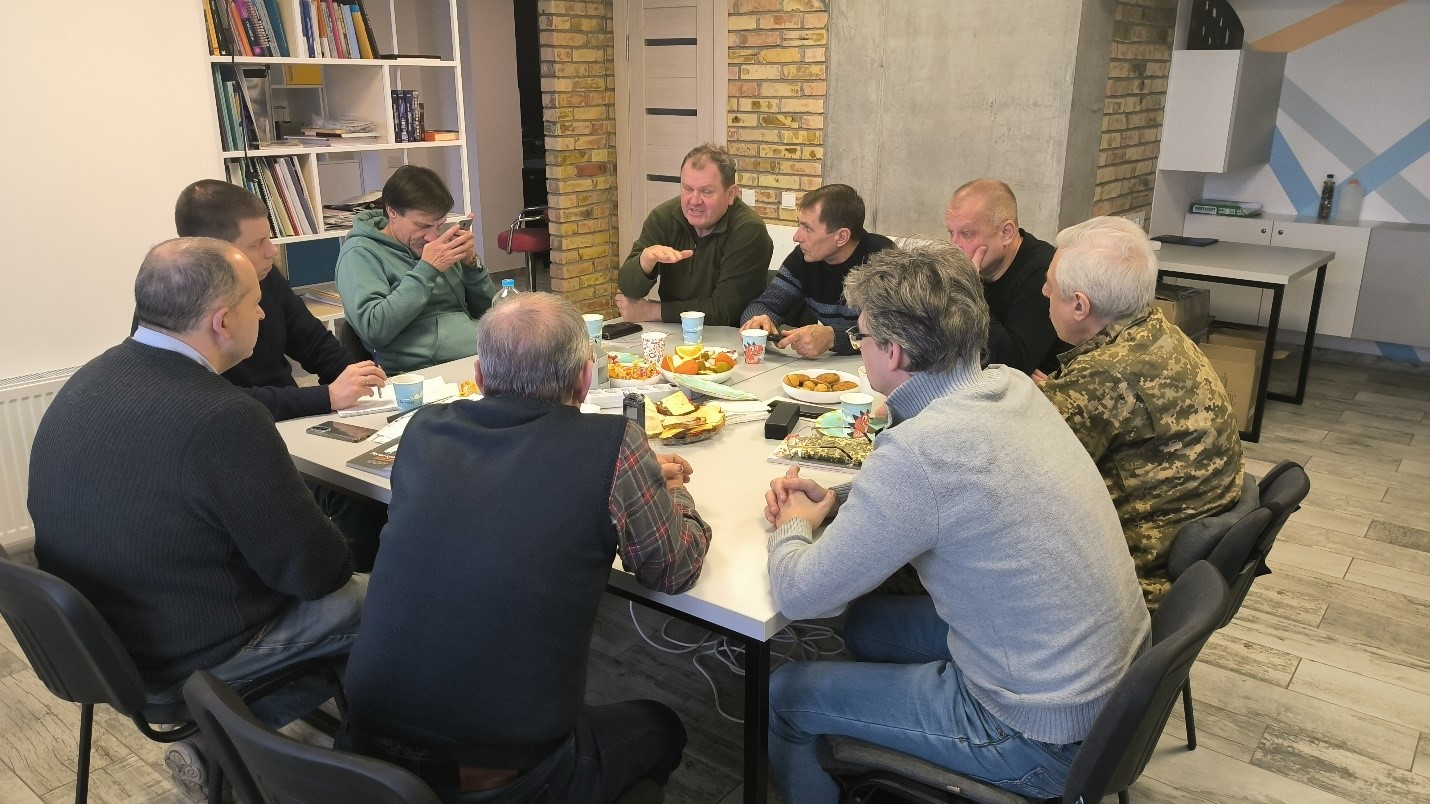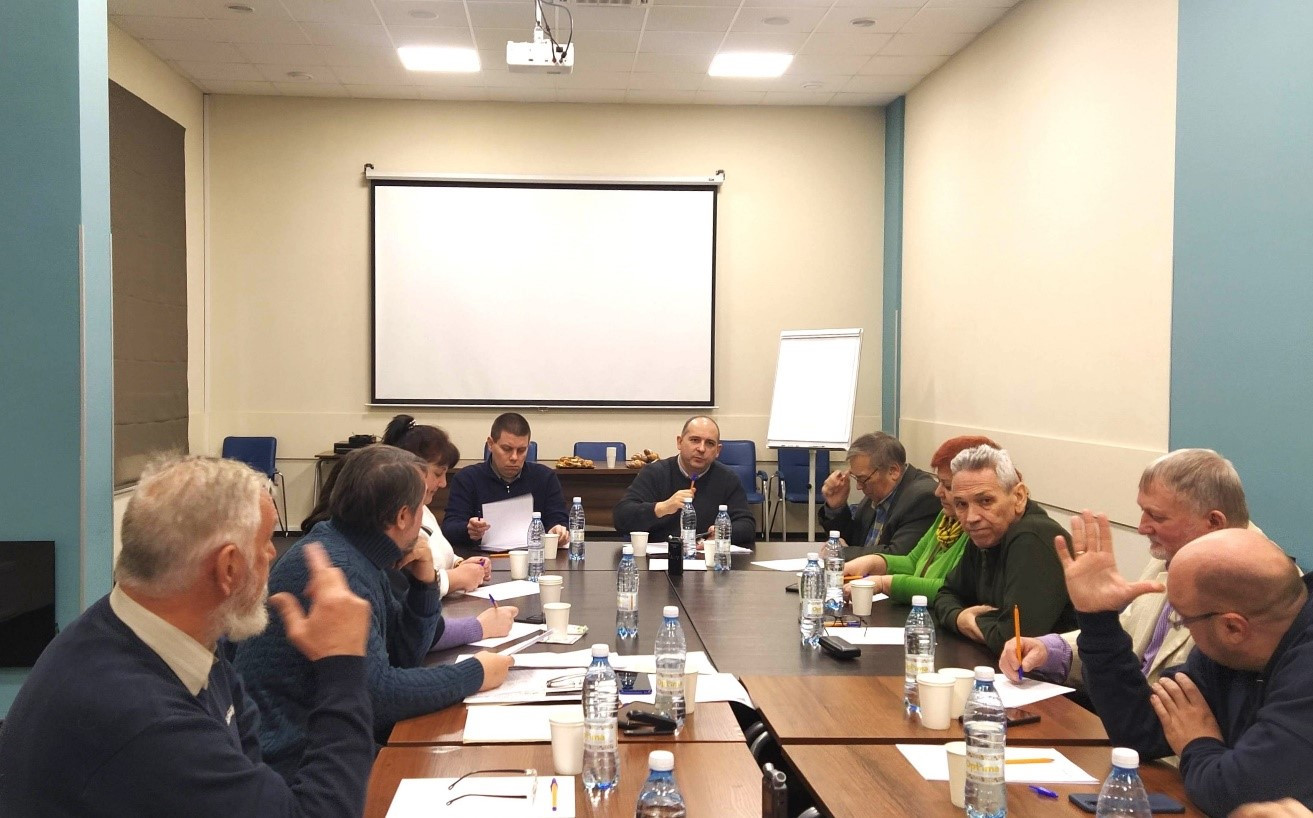
On 20–21 February, NGO “Eastern Ukrainian Center for Civic Initiative” held focus groups with former civilian prisoners of war and their relatives as part of a research project implemented in cooperation with the British human rights organisation Ceasefire. The aim of the project is to improve the mechanism of fair reparations for civilians deprived of their liberty during the Russian aggression against Ukraine and for their relatives.
The discussions were attended by 25 people who had been in captivity of the pro-Russian forces since 2014, both before and after the full-scale invasion, as well as their relatives.
During the event, the participants shared their experiences of the problems they faced after being released from captivity, which still remain unresolved.
In particular, they raised the issues of medical, psychological, and financial assistance.
Participants stressed that the assistance should be comprehensive and cover close relatives of prisoners. The latter experience pressure from fraudsters after their relatives are taken captive, as well as do not know how to deal with their loved ones after their release.
Participants expressed their views on reparations and punishment of perpetrators.
“I am in favour of a certain presumption of guilt for the Russians. I think they should prove that they were not the torturers in the basements. So that when they try to emigrate somewhere or to get a visa, they have to prove that they have a clean record,” one of the opinions was voiced.
The EUCCI’s representatives note that current state programmes to assist civilian prisoners need to be improved, and relations with state institutions remain extremely difficult and exhausting.
“There is a mechanism in place now, albeit imperfect, but quite effective, where those released from captivity can receive UAH 100,000 from the state. However, some provisions of the law remain purely proclamatory, e.g., regarding medical care and other forms of support,” says Volodymyr Shcherbachenko, head of the EUCCI.
The work planned as part of this study will allow human rights defenders to prepare recommendations for changes based on the vision of the victims themselves and to promote their implementation in Ukrainian legislation.