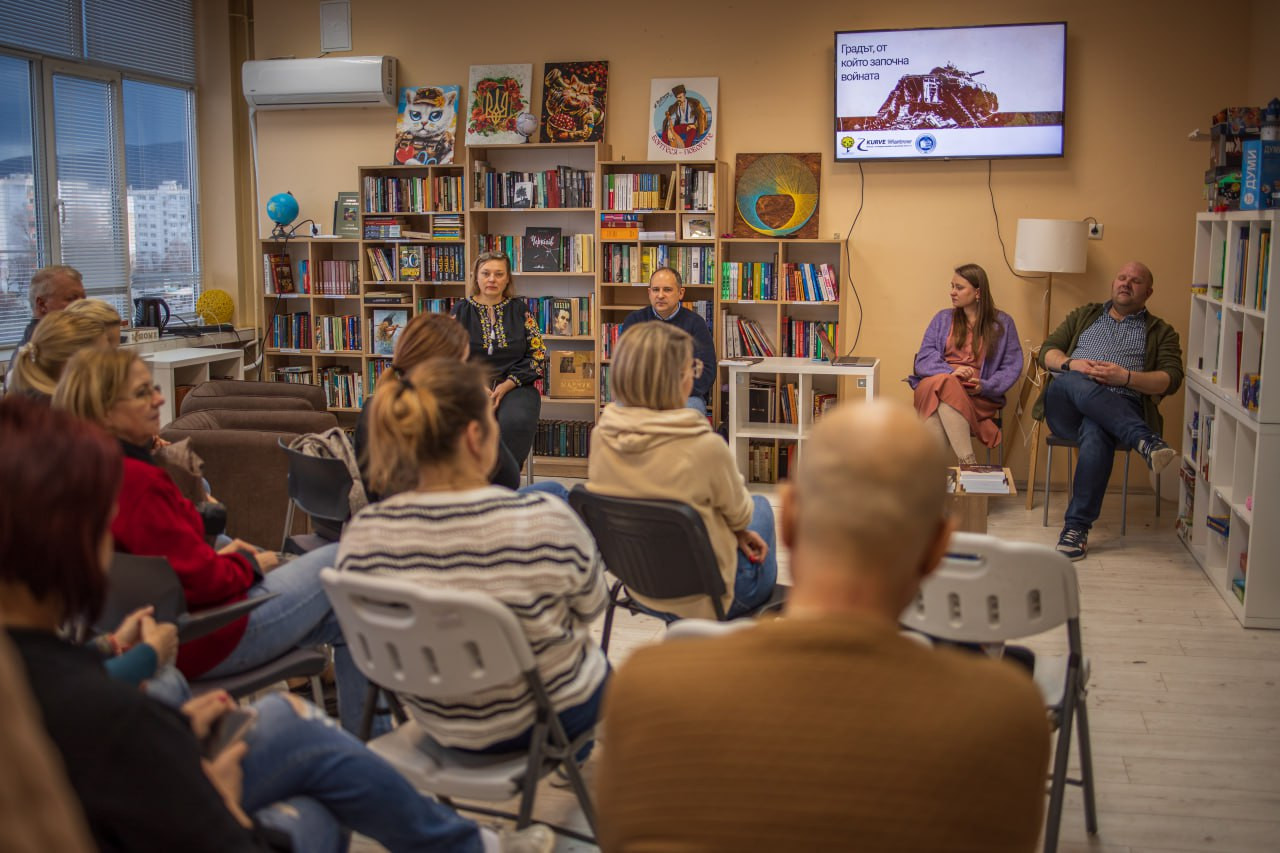
On 18-19 March, at the Ukrainian Beehive space and St. Clement of Ohrid University in the capital of Bulgaria, Sofia, human rights activists of the “Eastern Ukrainian Center for Civic Initiative” presented the book ‘The City Where the War Began’ and discussed the challenges of Russian aggression for post-Soviet countries.
The presentations were attended by Ukrainians living in Bulgaria, students, teachers and local activists.
Nadiia Nesterenko, co-author of the book and analyst at the NGO “Eastern Ukrainian Center for Civic Initiative”, paid special attention to the section of the book dedicated to Russian propaganda. Using the example of Sloviansk, she described the methods used to influence the situation, how the Church of the Moscow Patriarchate and NGOs run by Russian agents were involved in escalating the situation.
Volodymyr Shcherbachenko, head of the EUCCI NGO, noted that the purpose of this visit of human rights defenders is not only to present the book, but also to discuss how to curb Russian aggression.
“We want to know whether you feel Russian influence here. It would be interesting to hear what Ukrainians can do in Bulgaria to counteract Russia’s influence and draw the victory closer. It is important for us to understand how Bulgarians see their country’s role in deterring the Russian invasion. It is difficult for Ukrainians to defend the territories of countries that Russians consider to be in their sphere of influence, and we would like to know how this situation is perceived in neighbouring Slavic countries.”
During the discussion, the participants said that Russian propaganda is still active in Bulgaria. The ideological processing of Bulgarian society had been underway before 2014, and in 2022 it reached a kind of culmination. False information is being disseminated about both Ukraine and the European Union/NATO.
In the context of traditionally strong Russian information influence, news about Ukraine regularly ends with comments from Russian politicians regarding the situation.
“Before Volodymyr Zelenskyy’s visit last summer here to Bulgaria, Bulgarian journalists did not use the word ‘war’. Only a ‘special military operation’ or a ‘conflict’...,” the participants said with indignation.
At the same time, the Bulgarian public has joined the fight against disinformation and is now actively translating interviews and news from Ukrainian into Bulgarian.
Iryna Ivanova, Professor of the Chair of Social Communication Management at the Simon Kuznets Kharkiv National University of Economics and a three-time IDP, stressed the importance of civil society’s role in fighting back the occupiers’ attacks:
“We, Kharkiv residents, managed to fight back twice against all odds. And I perceive this not only as a miracle, but as the work of society. Not the work of the state. Actually, that’s when I felt that there was a civil society and that it was the only thing that could save us.”

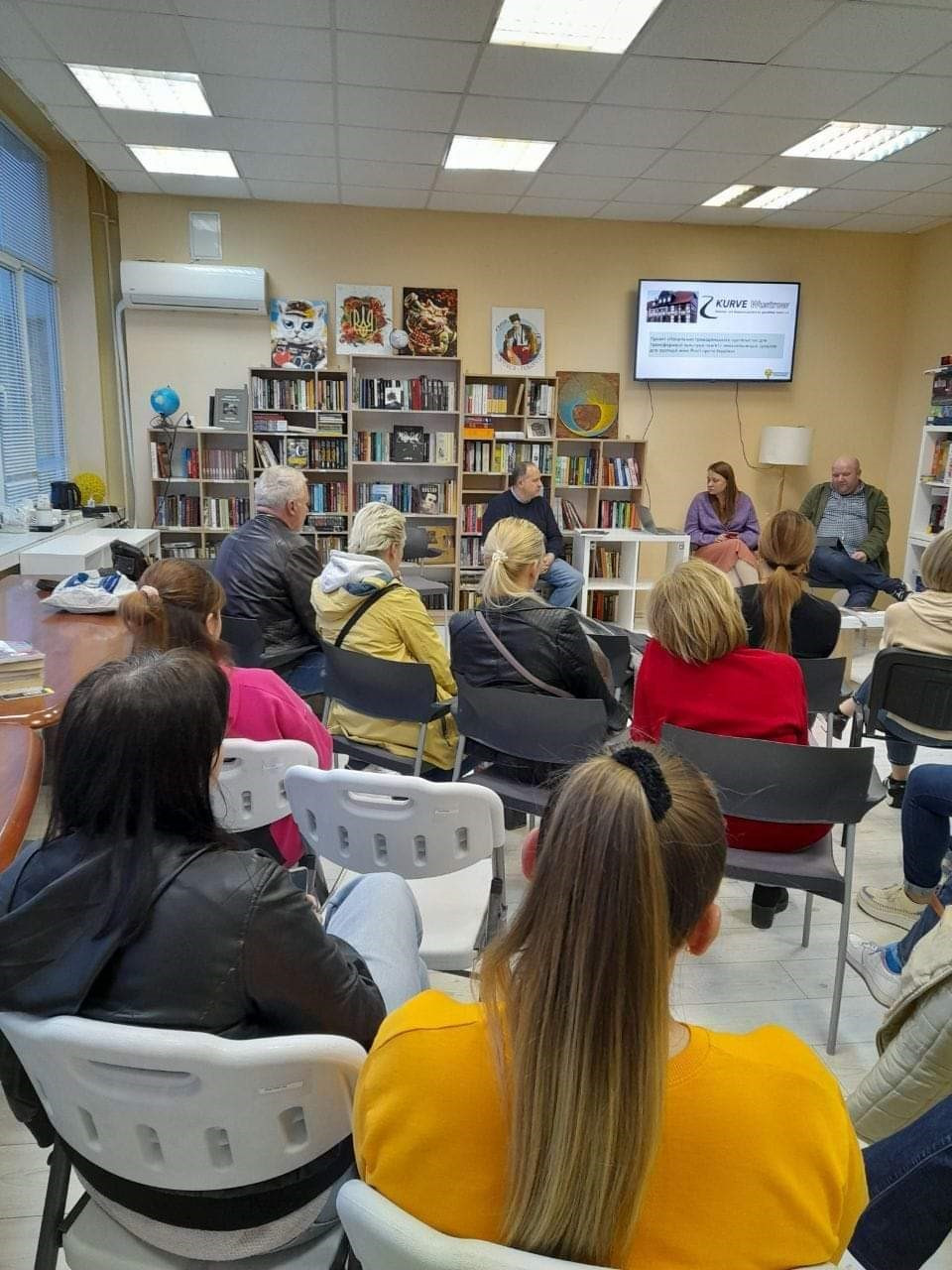

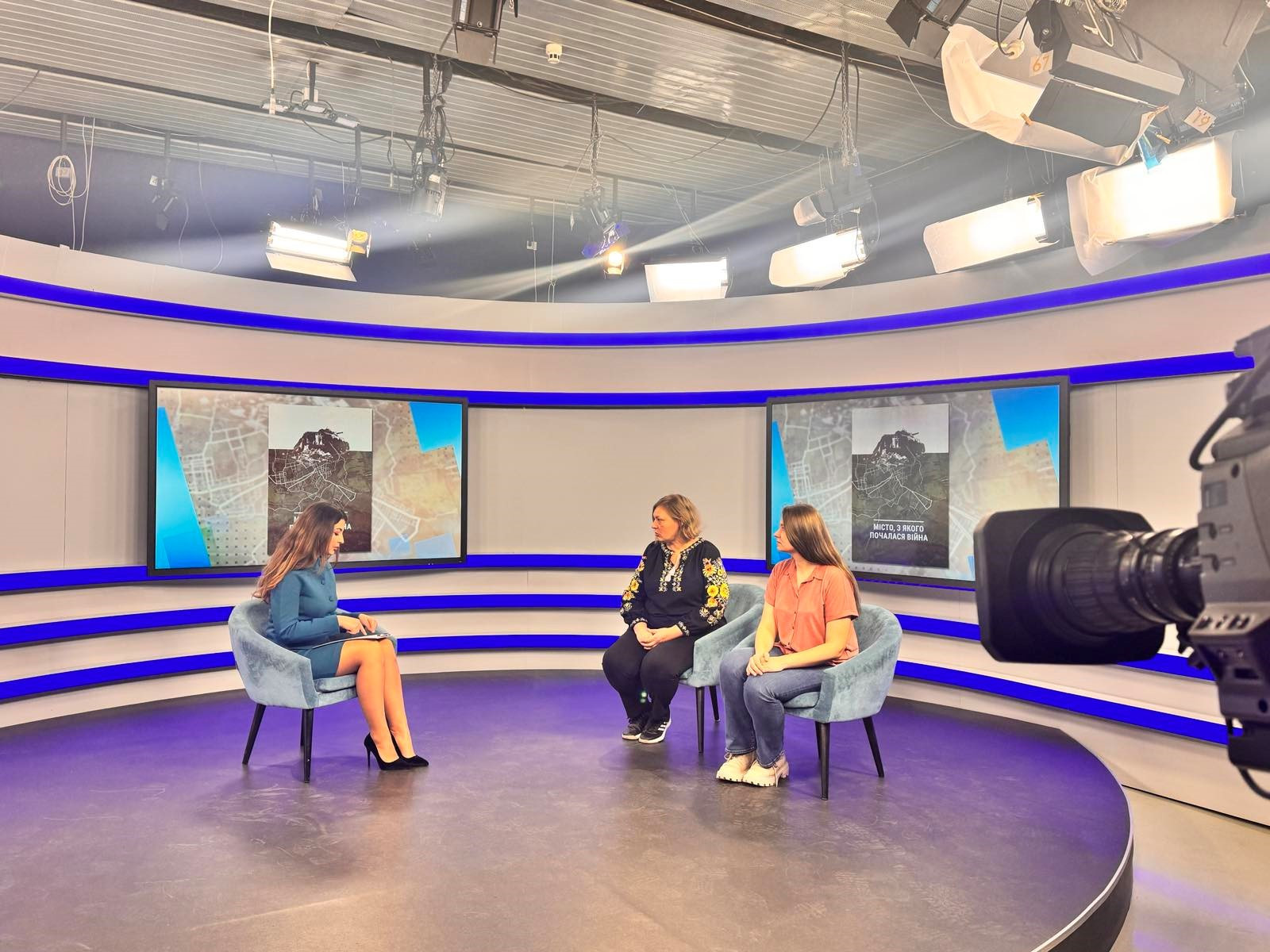
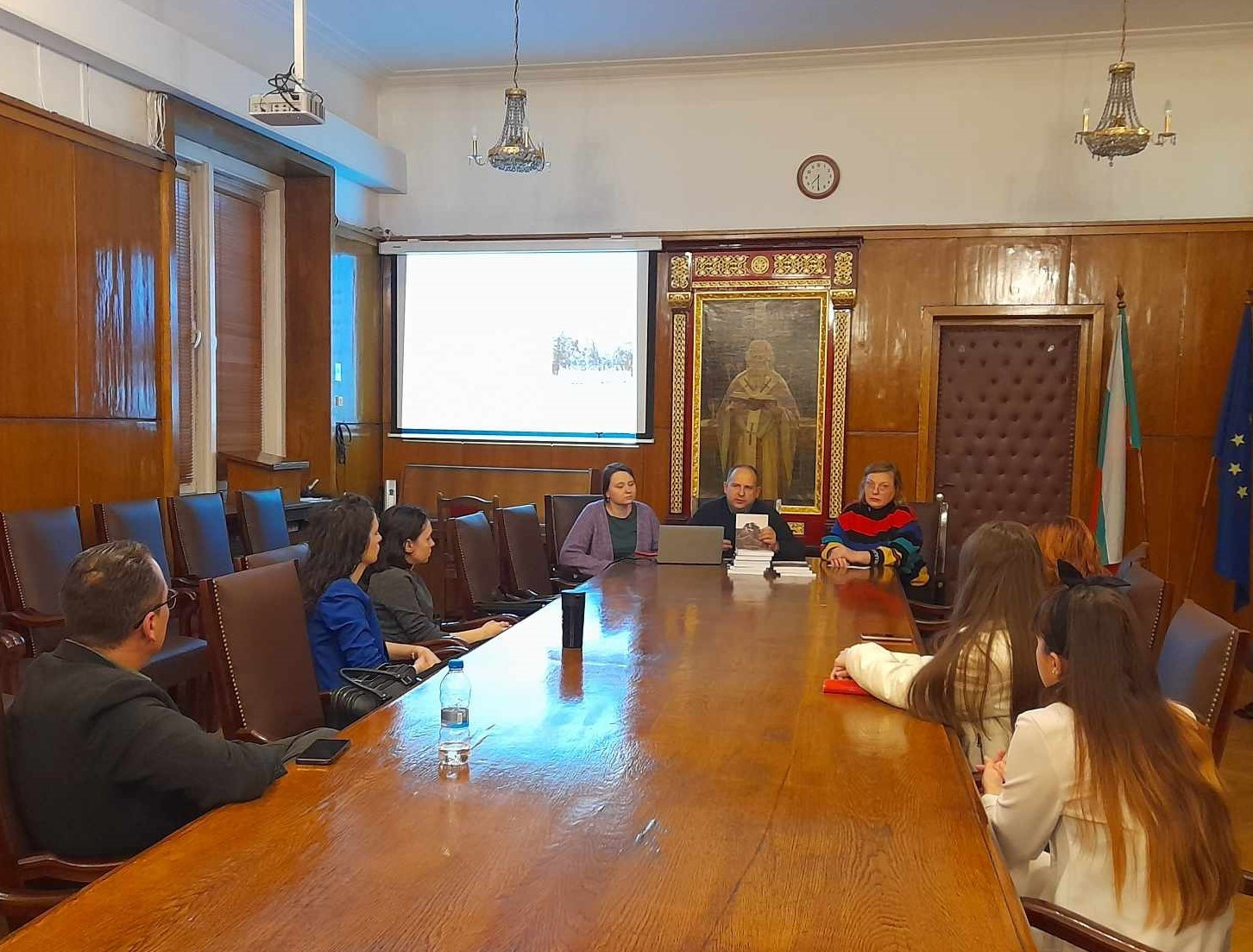
The presentations were held in cooperation with the Simon Kuznets Kharkiv National University of Economics.
The book ‘The City Where the War Began’ was prepared by the NGO “Eastern Ukrainian Center for Civic Initiative” together with partner organisations (Vostok SOS, Human Rights Centre for Public Research, the “Moloda Prosvita Prykarpattia” NGO, NGO “Public Committee for Protection of Citizen’s Constitutional Rights and Freedoms”, which are members of the Coalition “Justice for Peace in Donbas”), with the support of Kurve Wustrow — Centre for Training and Networking in Nonviolent Action as part of the Civil Peace Service (CPS) programme funded by the Federal Government of Germany.
