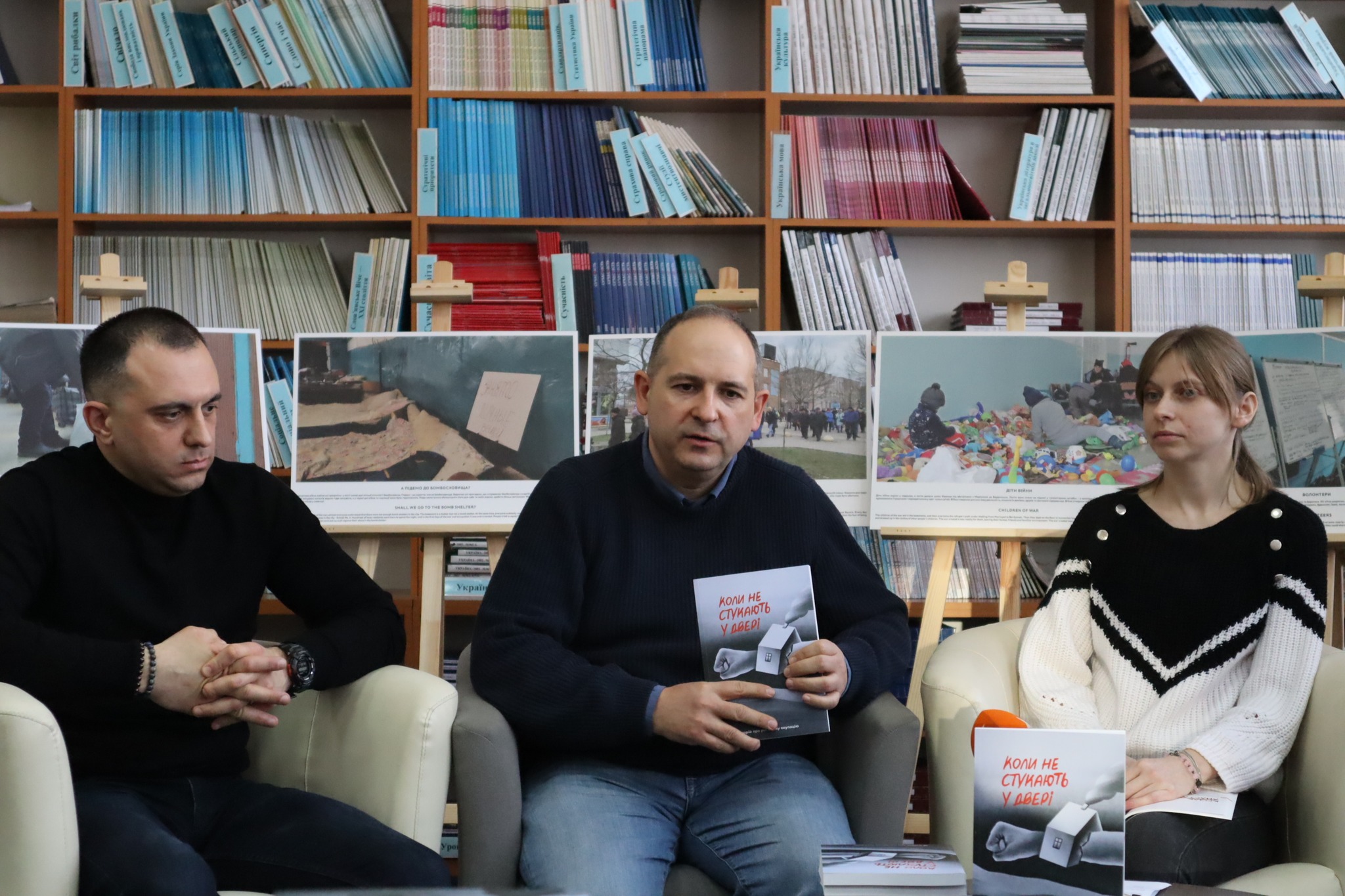
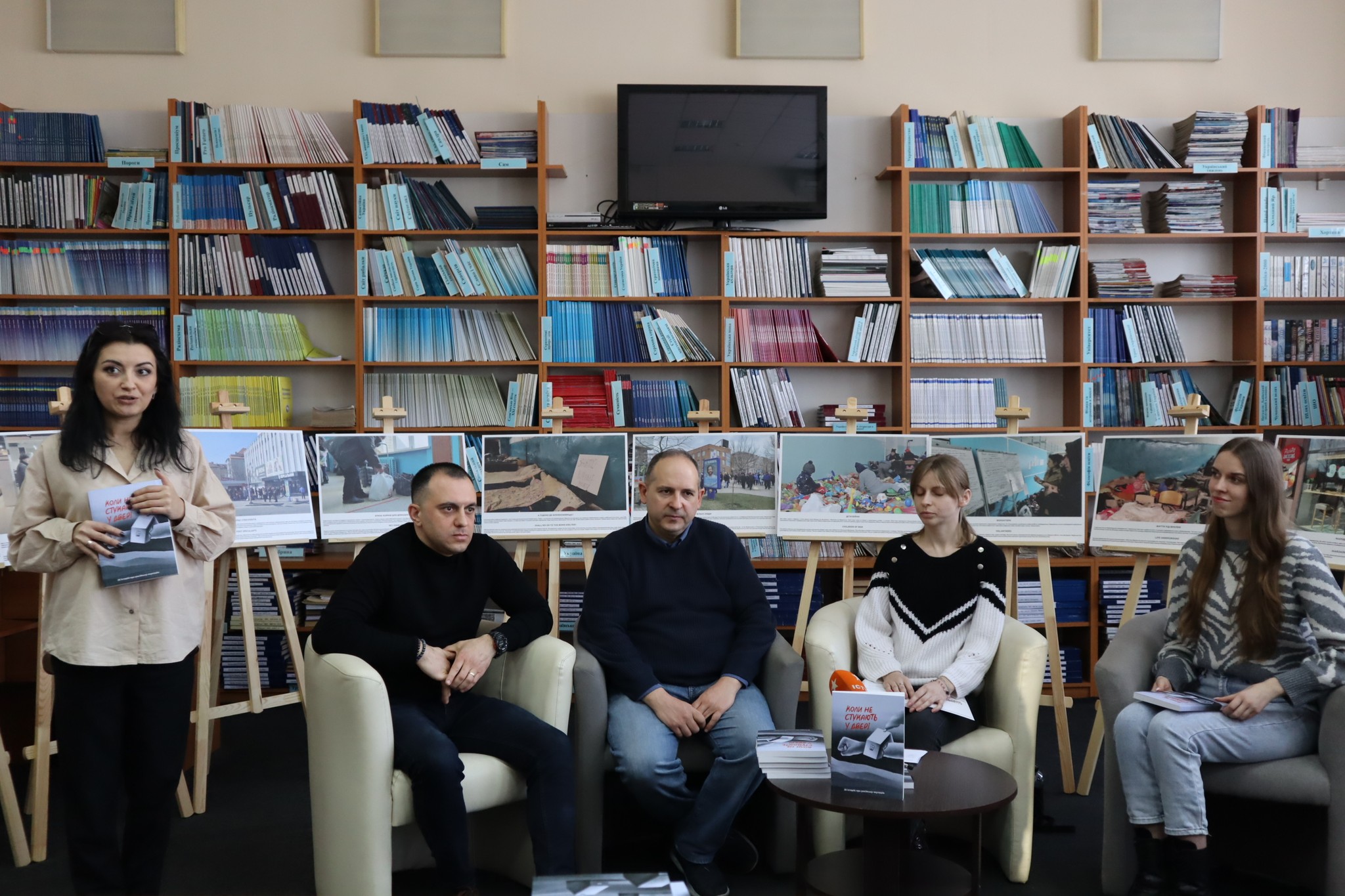
On 6 March, the F. Potushnyak Zakarpattia Oblast Universal Scientific Library hosted a presentation of the book “When They Don’t Knock on the Door: 25 Stories About the Russian Occupation”, written by eyewitnesses.
Two hours before the event, the library received a call about a “bomb threat”. It turned out to be an information attack by enemies aimed at cancelling the presentation. The police and the State Emergency Service quickly checked the premises and allowed the event to take place.
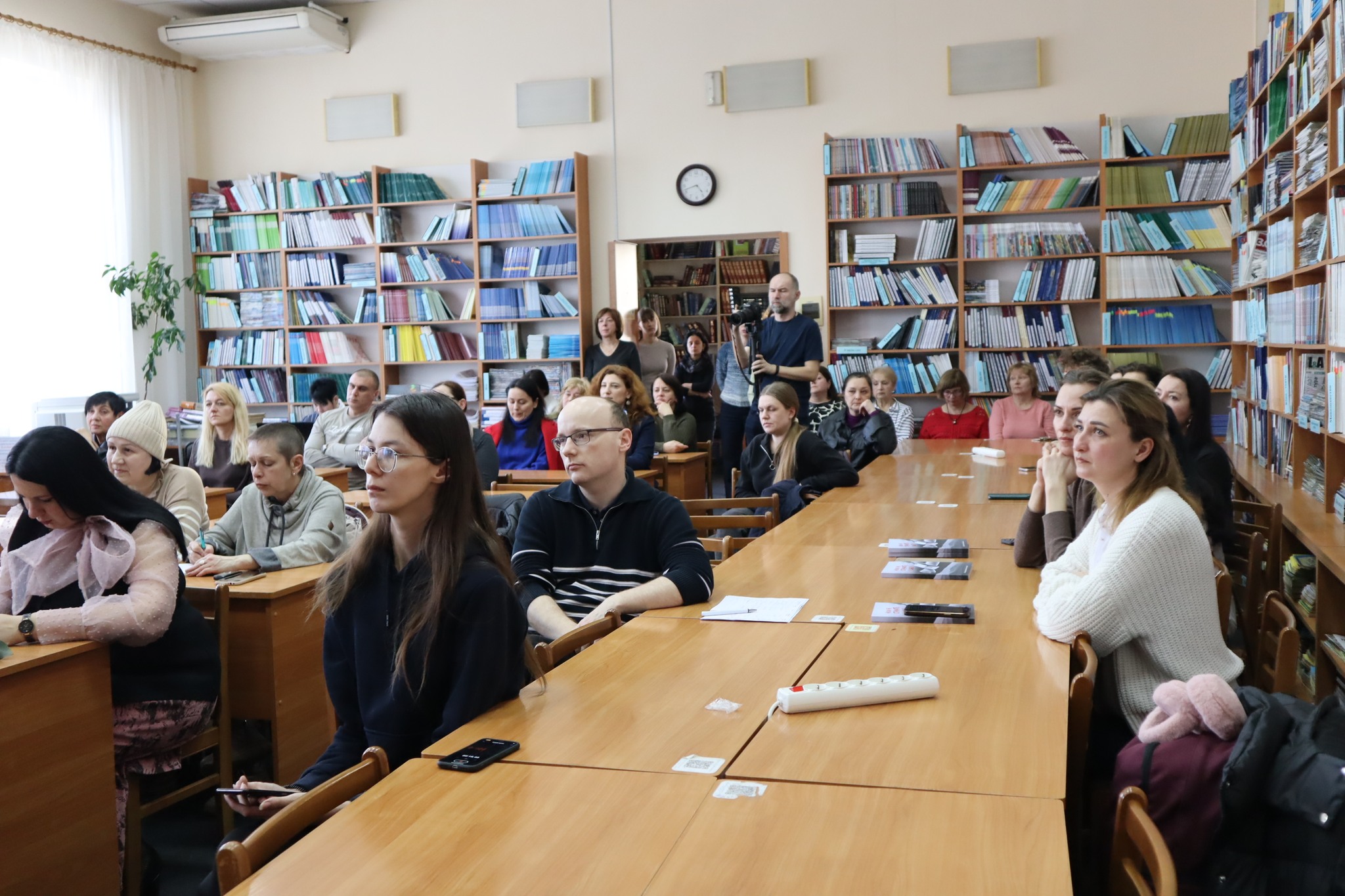
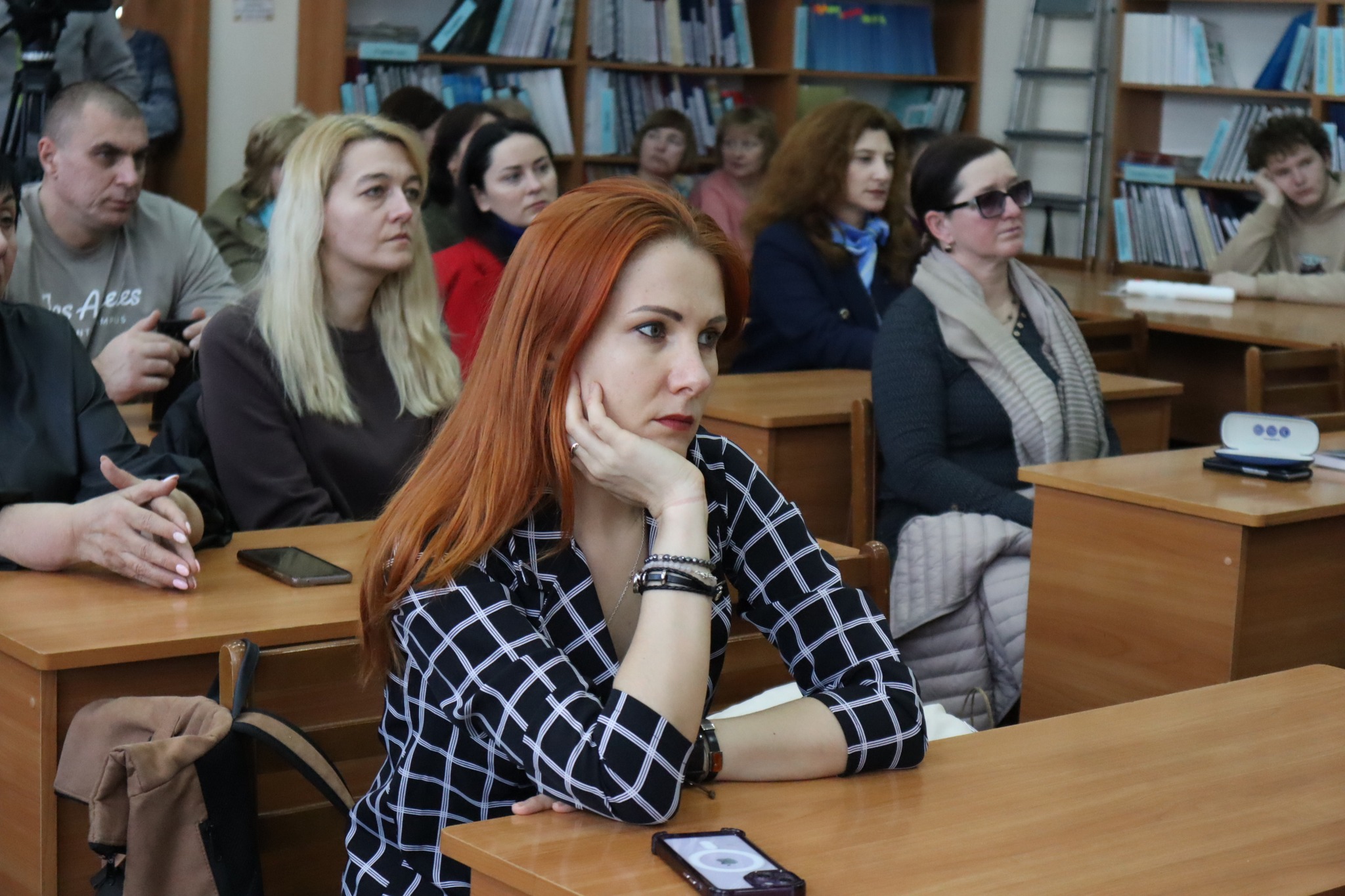
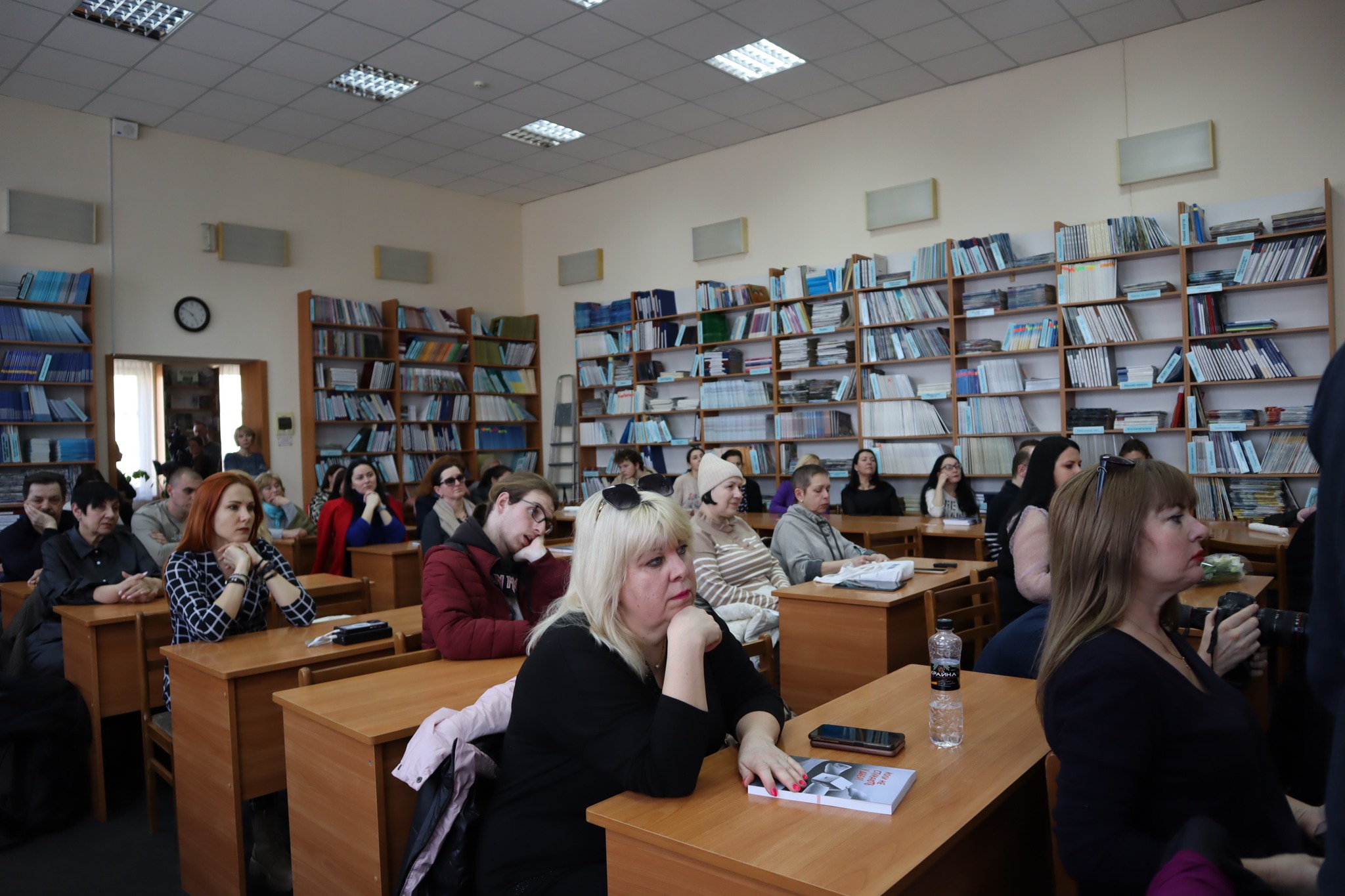
Despite attempts to disrupt it, the library’s reading room attracted many visitors, including media representatives, internally displaced people, civil society activists, and volunteers.
The speakers at the event were three authors of the book, each of whom shared their personal stories:
Anastasia Kozak is a young librarian from Kherson who survived the occupation of the city and evacuated to her relatives in Khmelnytskyi. In her story, she emphasised the importance of supporting those who had to leave their homes because of the war. Her essay is titled “Lacking Slippers While Abroad” because one can feel the loss of one’s home even in the smallest details.
“This is the first time I participate in a series of presentations of this collection of stories. I am incredibly glad that so many people attended the event and that my story resonated with them. It is difficult to talk about such things, but it is very necessary. And today’s call about a ‘bomb threat’ to the library confirms it once again”, Anastasia said.
Oleksandr Pylypenko is a journalist from Berdiansk who also experienced the occupation of the city. Later he moved to Uzhhorod, and is still working in the media. His essay, “From the Sea to Nowhere”, reflects the feeling of loss and the search for a new life after forced displacement. He emphasised that the book is not only a vital tool for preserving memory, but also a reminder of the temporarily occupied territories and the struggle for their liberation.
“Today, I was once again convinced that this book is interesting and necessary for Ukrainians. I am sure that our society not only remembers about the occupied territories, but also wants to hear from the people who left them and is waiting for the return of the lost lands. We must constantly keep this topic alive and continue to explain why the displaced persons made the difficult decision to leave their homes in order to avoid contact with the ‘Russian world’. It is especially important to convey this to a broader European audience”, Oleksandr emphasised.
Daria Shvets is a young media professional who spent several months in her native Orikhiv under shelling and in the context of a severe shortage of necessities, and then relocated with her family to Zaporizhzhia. Her essay “My Truth: The War We Cannot Be Silent About” tells of the difficulties of living under constant enemy attacks in a frontline city. She emphasised that support for internally displaced people is an important feature of Ukrainian society.
“Acceptance and assistance — that’s what distinguishes Ukrainians from Russians. So bring your empathy into communities, show your care, and inspire others to express our national dignity and humanity toward fellow brothers and sisters”, Daria concluded her remarks.
The presentation was moderated by Volodymyr Shcherbachenko, the Head of the Eastern Ukrainian Center for Civic Initiatives and author of the essay “The Books and the Sun of a Small Motherland” in this publication. He noted that such meetings again confirm the need to tell the truth about the war, because each story is a testimony to the strength and resilience of Ukrainians.
The presentation of the book became yet another evidence of the courage of Ukrainians and the need to preserve the memory of the crimes committed by the Russian occupation regime. The team of the Eastern Ukrainian Centre for Civic Initiatives continues a series of book presentations throughout the country and is preparing an English-language version of the publication.
This book was prepared as part of the project “Empowering civil society for a transformation of commemorative culture - non-violent contributions to deal with Russia's war against Ukraine” by the Eastern Ukrainian Center for Civic Initiatives with the support of Kurve Wustrow – Centre for Training and Networking in Non-Violent Action as part of the Civil Peace Service (CPS).
