Photo: Masha Bakhtina
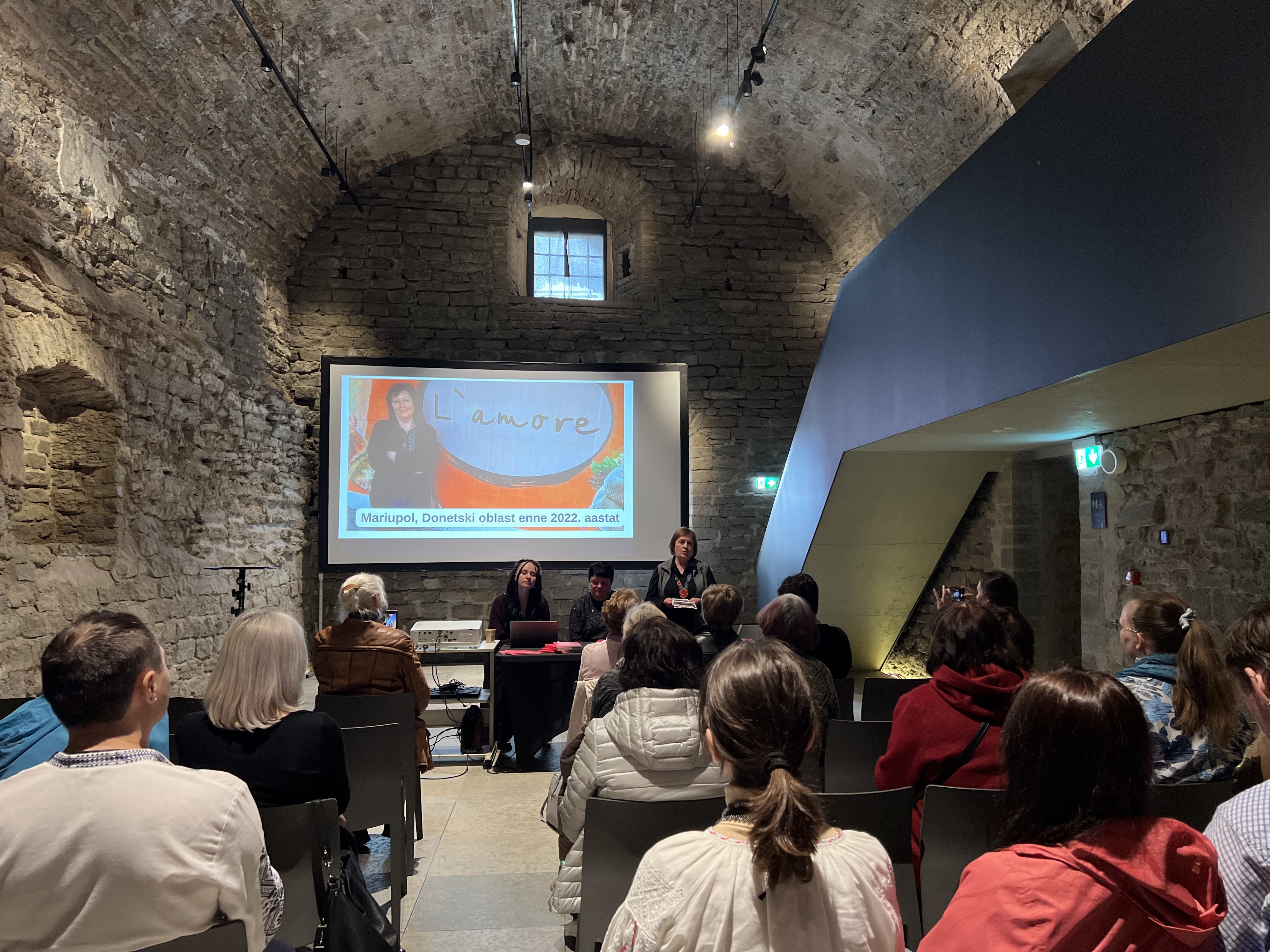
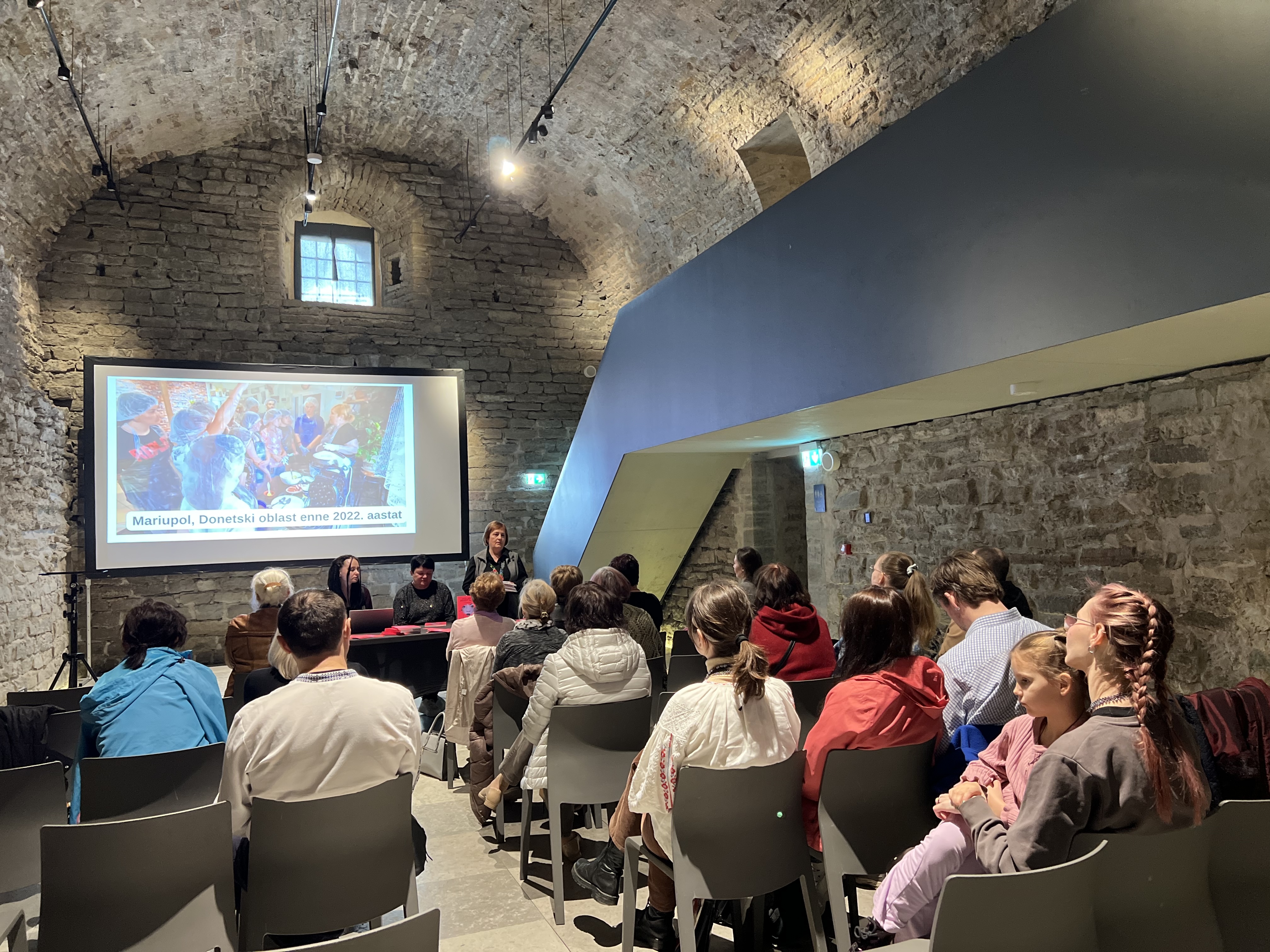
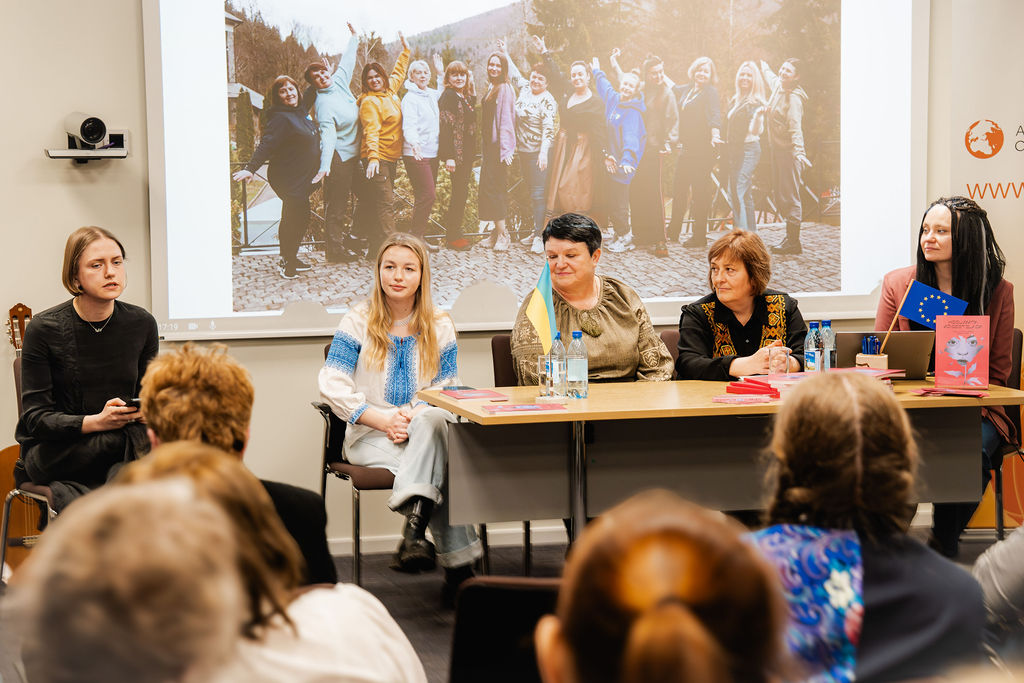
The book “Living Against All Odds: Women's Stories of War, 2014 and 2022” was translated into Estonian and presented to the public during a series of book launch events in three locations in Estonia: at the European Union House (Euroopa Liidu Maja) in Tallinn, the Johan Skytte Institute of Political Studies at the University of Tartu in Tartu, and the Narva museum (SA Narva Muuseum) in the city of Narva.
The “Living Against All Odds” was put together at the initiative of the Eastern-Ukrainian Center of Civic Initiatives” (EUCCI), a non-governmental organization that has been documenting gross human rights violations related to Russia's war against Ukraine since 2014.
“We invited eleven women from among our respondents to describe in their own words, with the help from a professional writer, what they had experienced and what had helped them to survive,” said Nadiya Nesterenko, the book's editor and EUCCI representative.
After a series of presentations of the Ukrainian version, the book sparked keen interest in Estonia, so the Open Estonia Foundation initiated its translation into Estonian, to make these stories accessible to a wider audience. The translation was made possible thanks to the support of The Cultural Endowment of Estonia, as well as donations from compassionate community members.
The first presentation of the book in Estonian was held at the European Union Building in Tallinn. The participants emphasized the importance of support to Ukraine and the EU’s role in countering the Russian aggression.
“Ukraine should be part of the European Union… and peace should be acceptable to Ukraine, not to Russia,” said a representative of the institution.
Members of the Open Estonia Foundation noted that such publications are as important for the future, as they are today.
At the same time, the main emphasis remained on human stories.
"There were about 70 children in this captivity, with the youngest one just a month and a half old. As we were not allowed even to cook, we asked for permission to at least heat some water for the baby. The response was: 'Kill her if she’s suffering.' That showed a complete lack of empathy - both for children and for the elderly. Often, Russian soldiers would come, hold guns to our heads and play 'Russian roulette,' or they’d throw a grenade under children's beds and say 'you'll be lucky if it doesn't explode,'” recollected Maryna Suprun, one of the authors.
Natalia Logozinska, another author, shared her memories of the occupation of Mariupol: “We drew, wrote letters… the children wrote that they wanted to eat, they wanted to go home, they wanted to see their families.”
The participants of the book presentations repeatedly thanked Estonia for its continuous support to Ukraine – both on the government and on the societal levels, as well as for its willingness to listen to complex and painful stories of the war.
“It is of great value to us that this book was published in Estonian and that Estonians are part of the community supporting Ukraine – to us it’s a source of light in these dark times,” said Nadiya Nesterenko, an EUCCI representative.
Active participation of the audience was a highlight of the launch events.
In Narva, where a significant part of the population is Russian-speaking, the discussion touched upon complex topics, such as propaganda, division in society, and communication difficulties.
“It is very painful to hear such stories… but we’ve got to spread this information,” said people in Tartu.
El-Mari, an Estonian woman from Tallinn, wrote: “Russia must give back all the territories to Ukraine, including Crimea, and compensate for all damages.”
The book presentations were supported by the Netherlands Helsinki Committee and the Ministry of Foreign Affairs of the Netherlands.
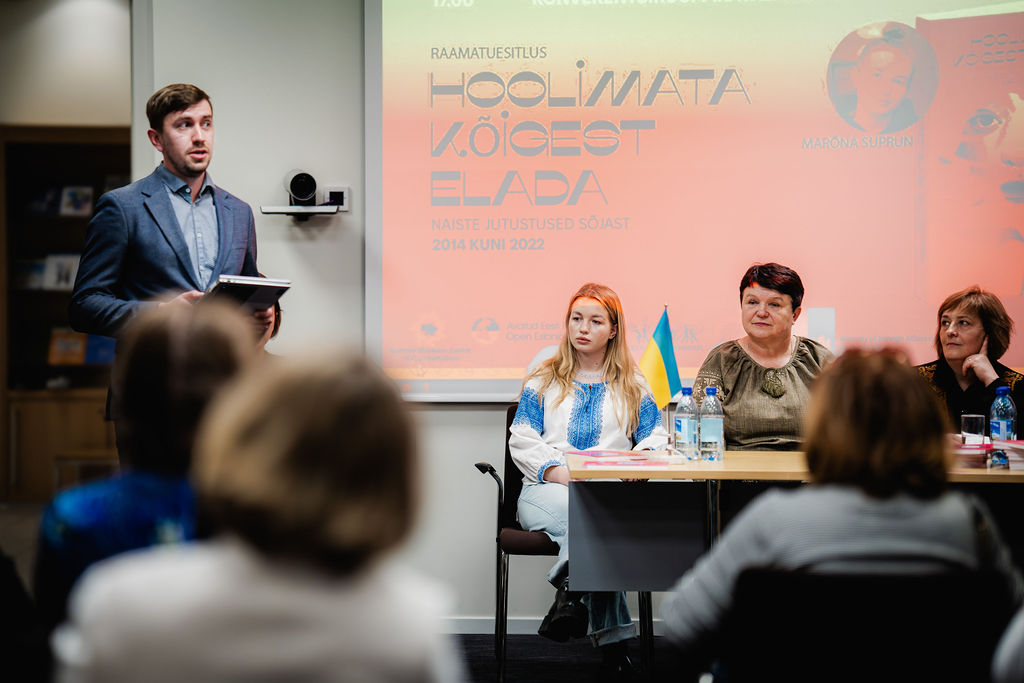
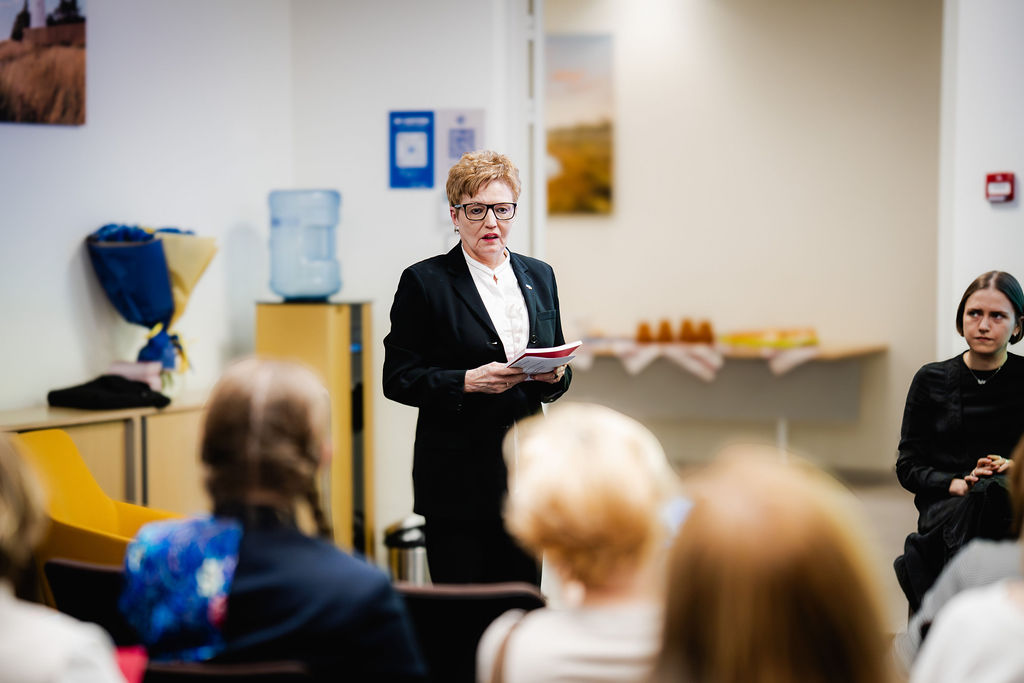
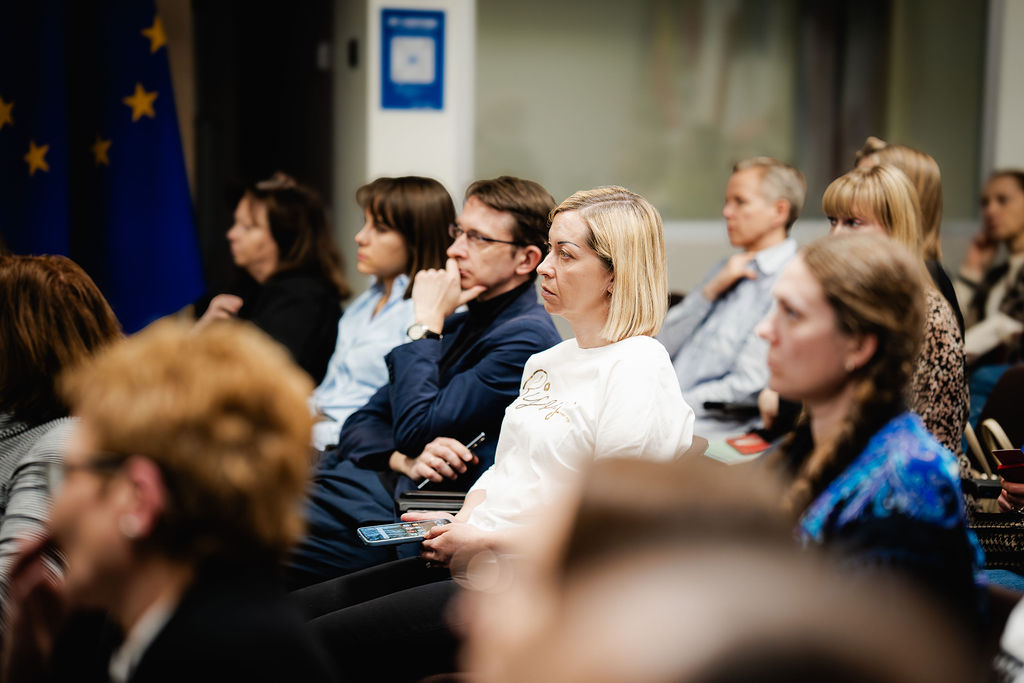
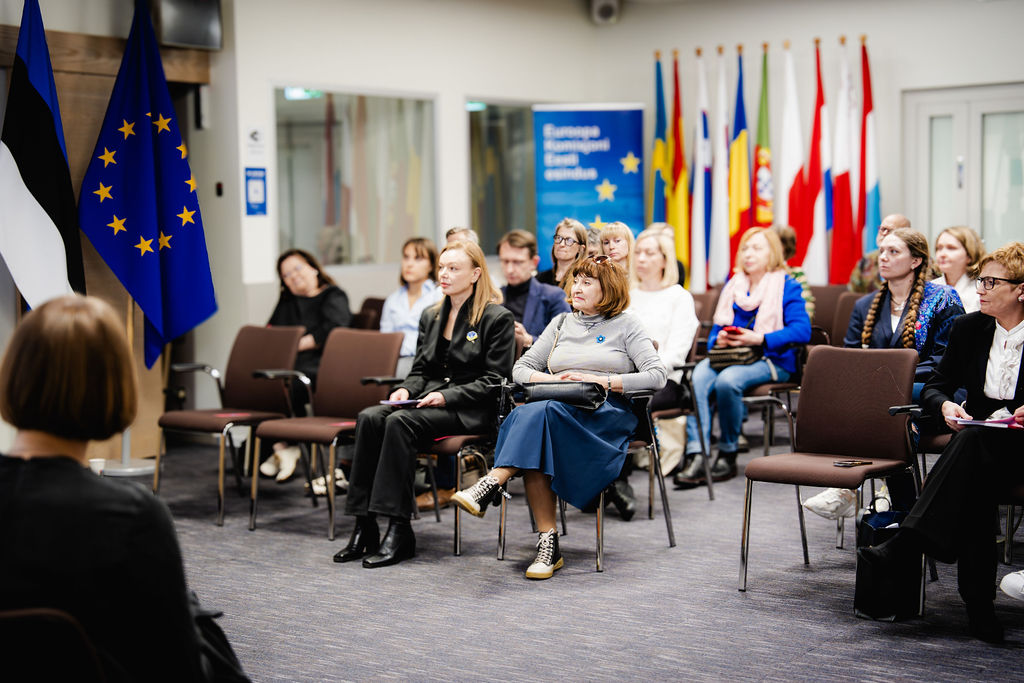
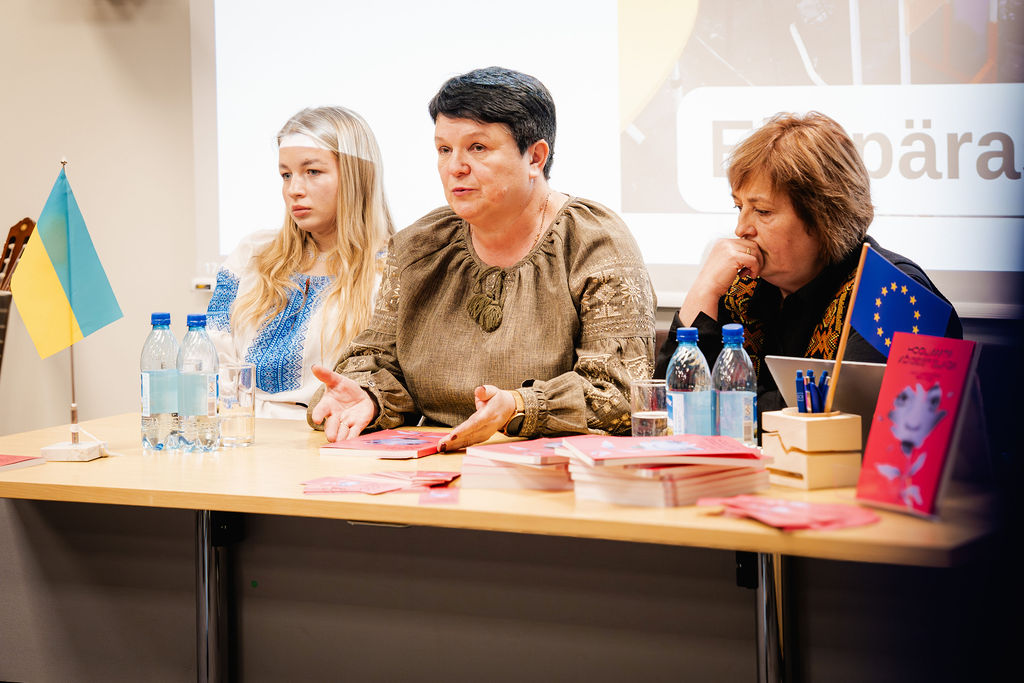
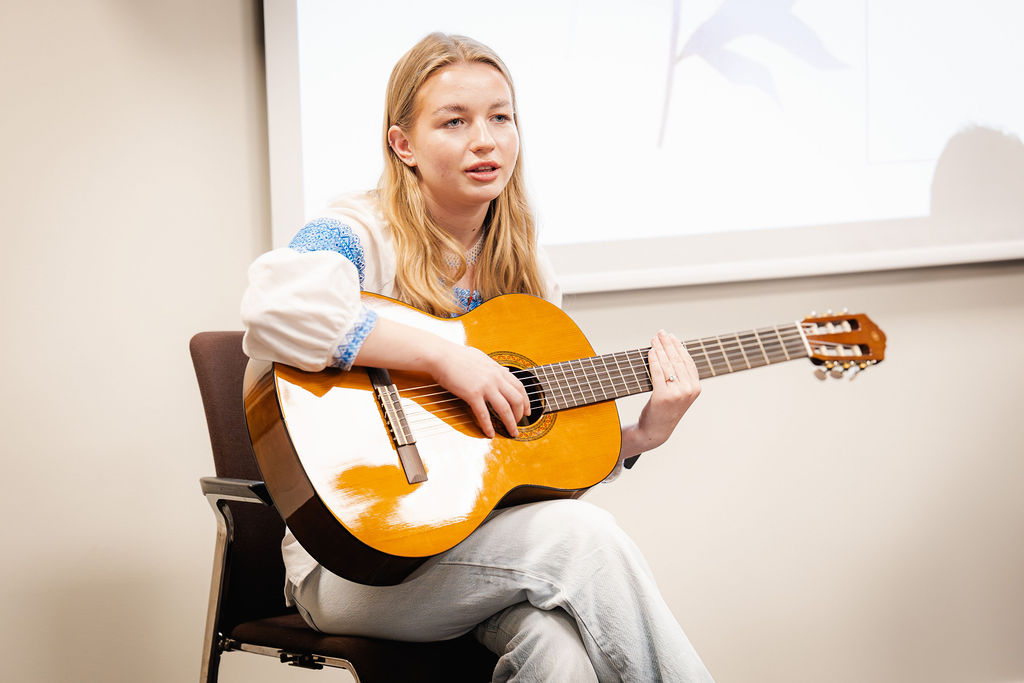
Presentation in Tallinn. Photo: Masha Bakhtina