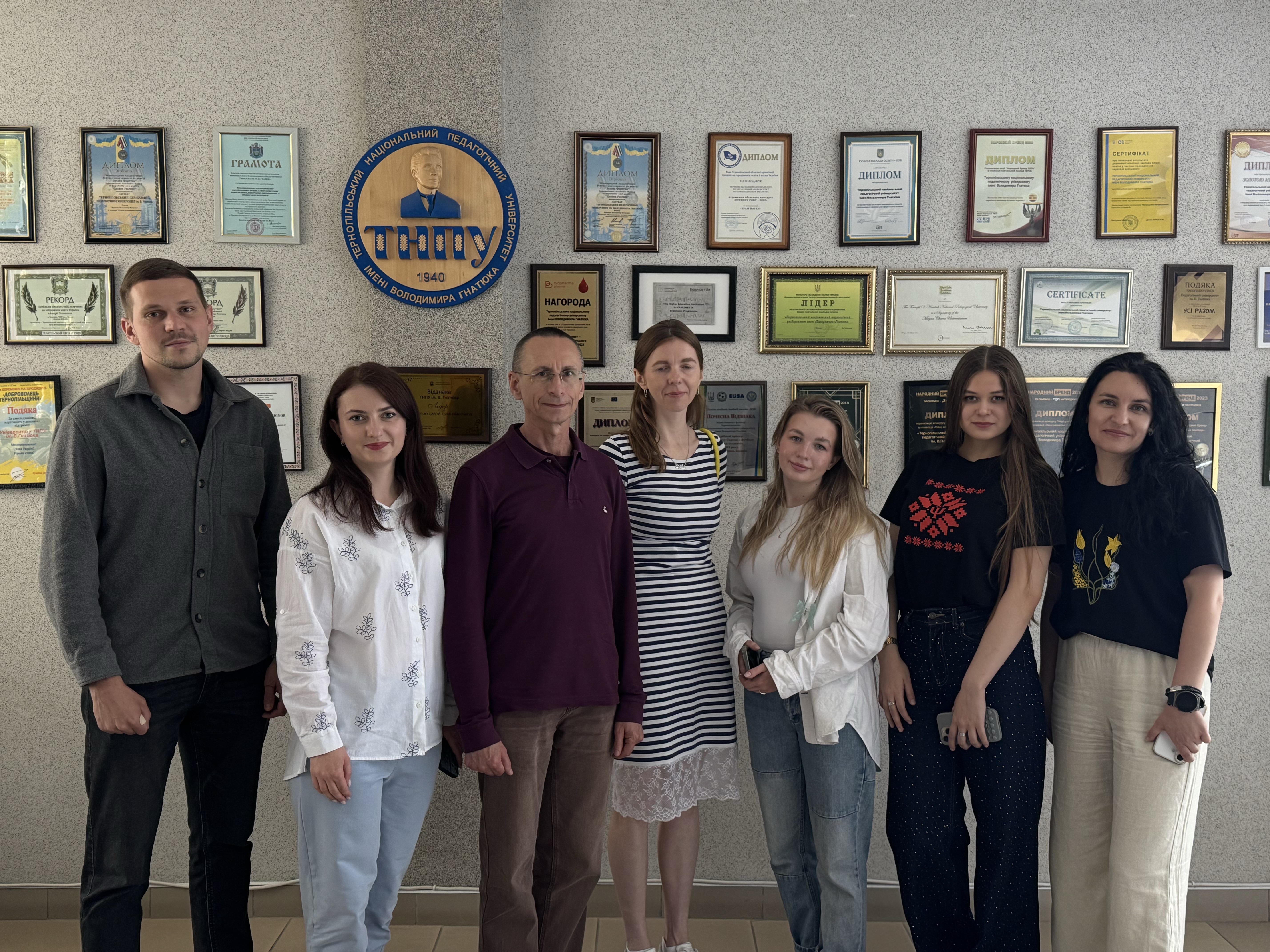
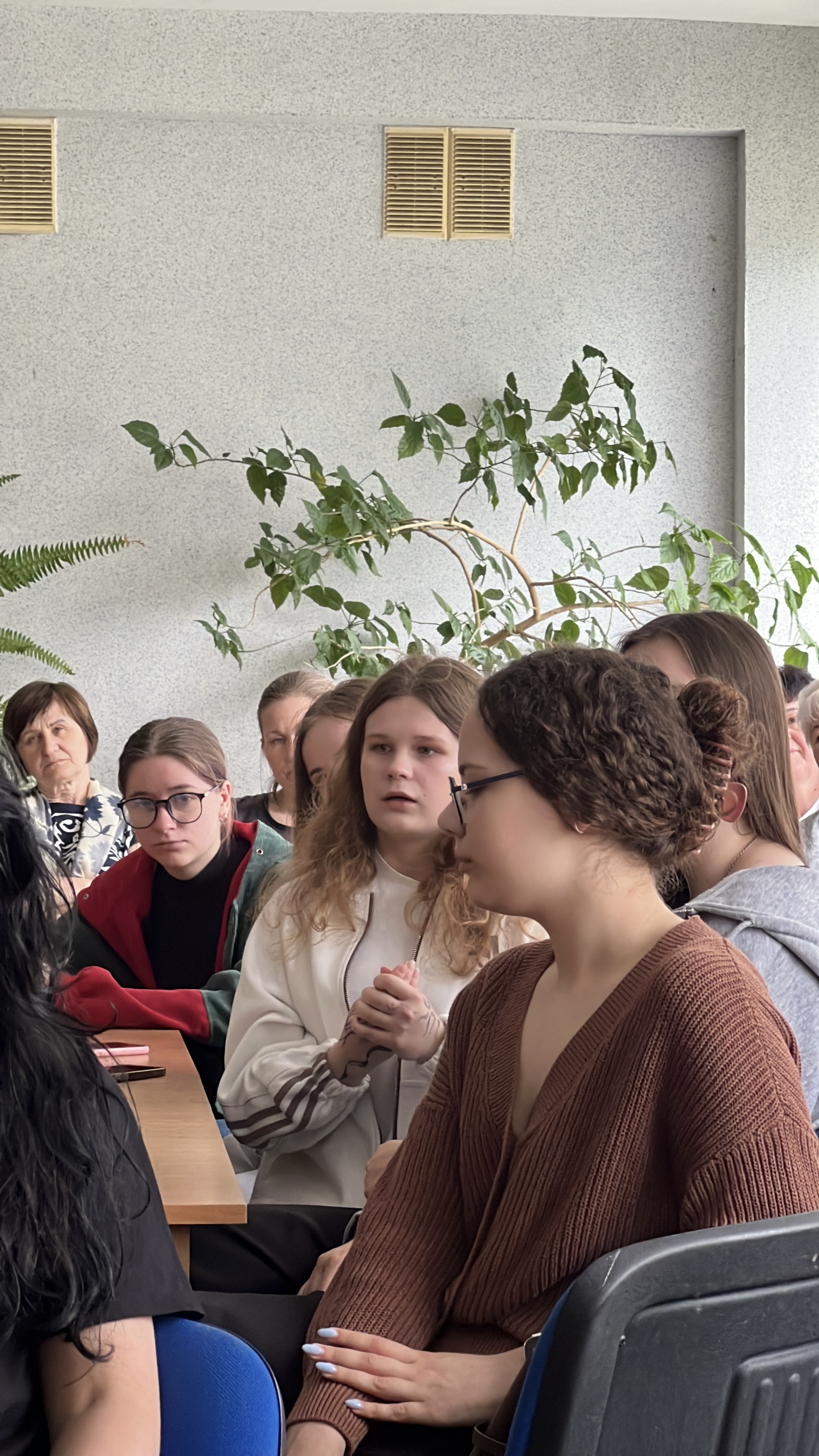
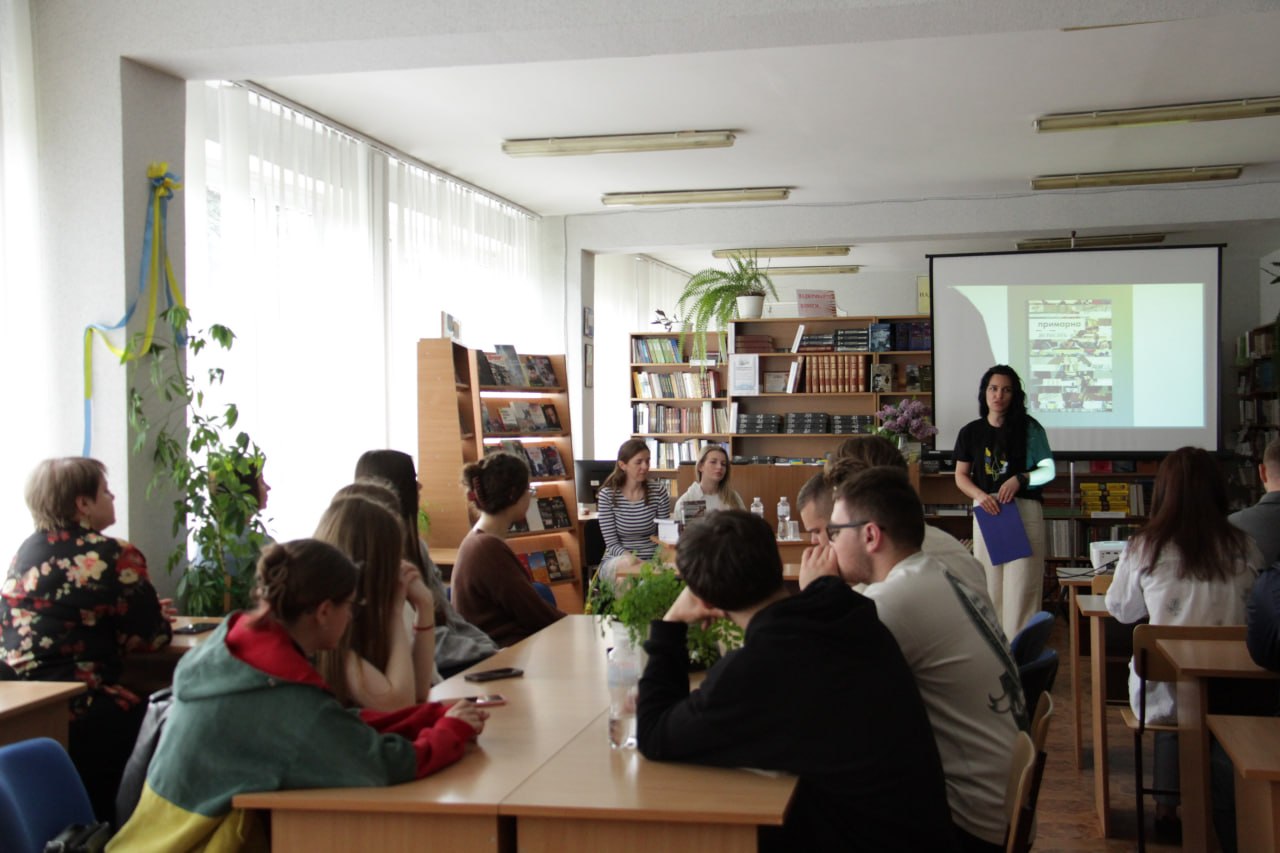
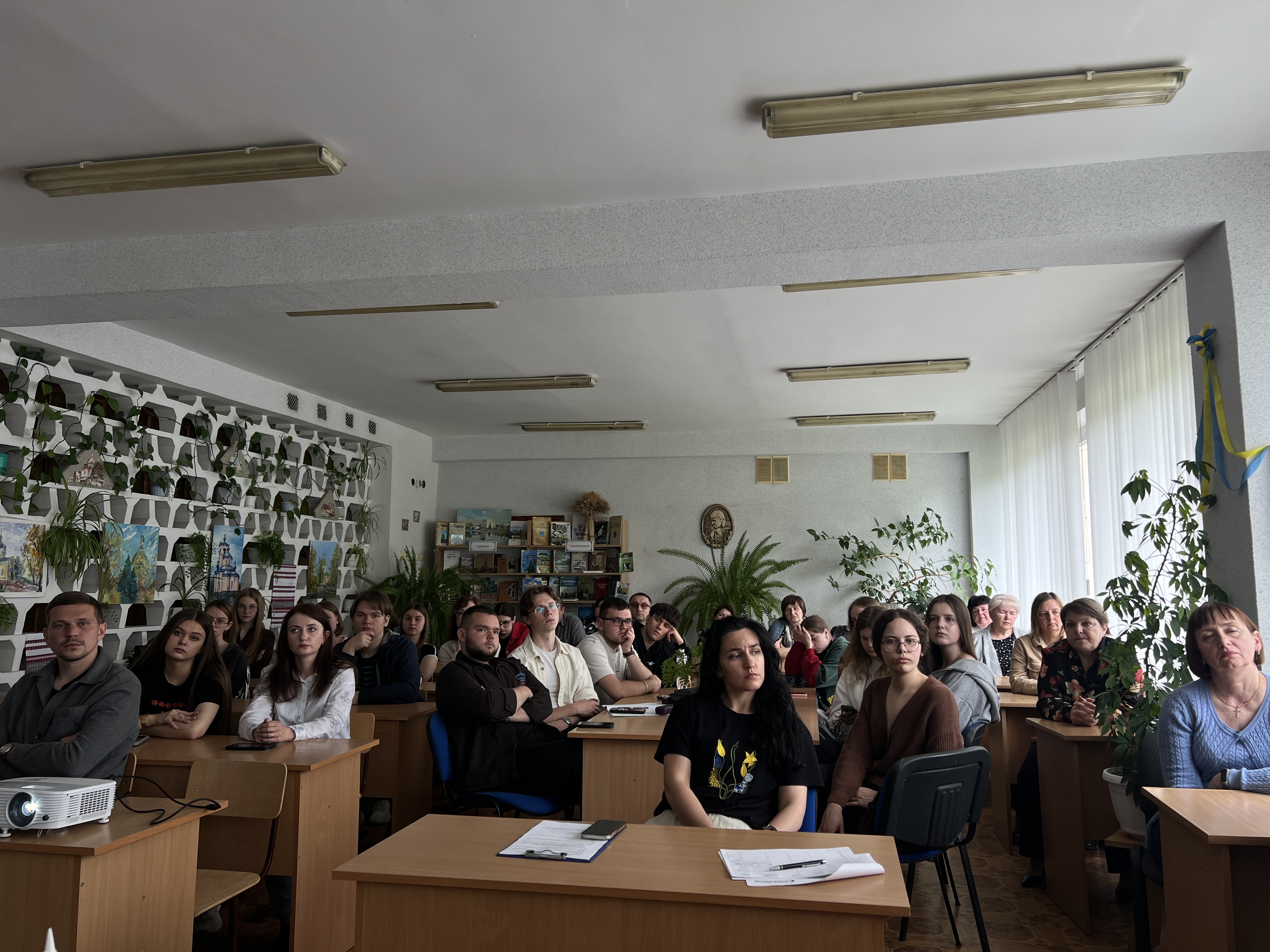
A presentation of the book “Unclear Clarities. Myths and Stereotypes About Donbas and the War,” organized by the Eastern Ukrainian Center for Civic Initiatives, took place at the Volodymyr Hnatiuk Ternopil National Pedagogical University.
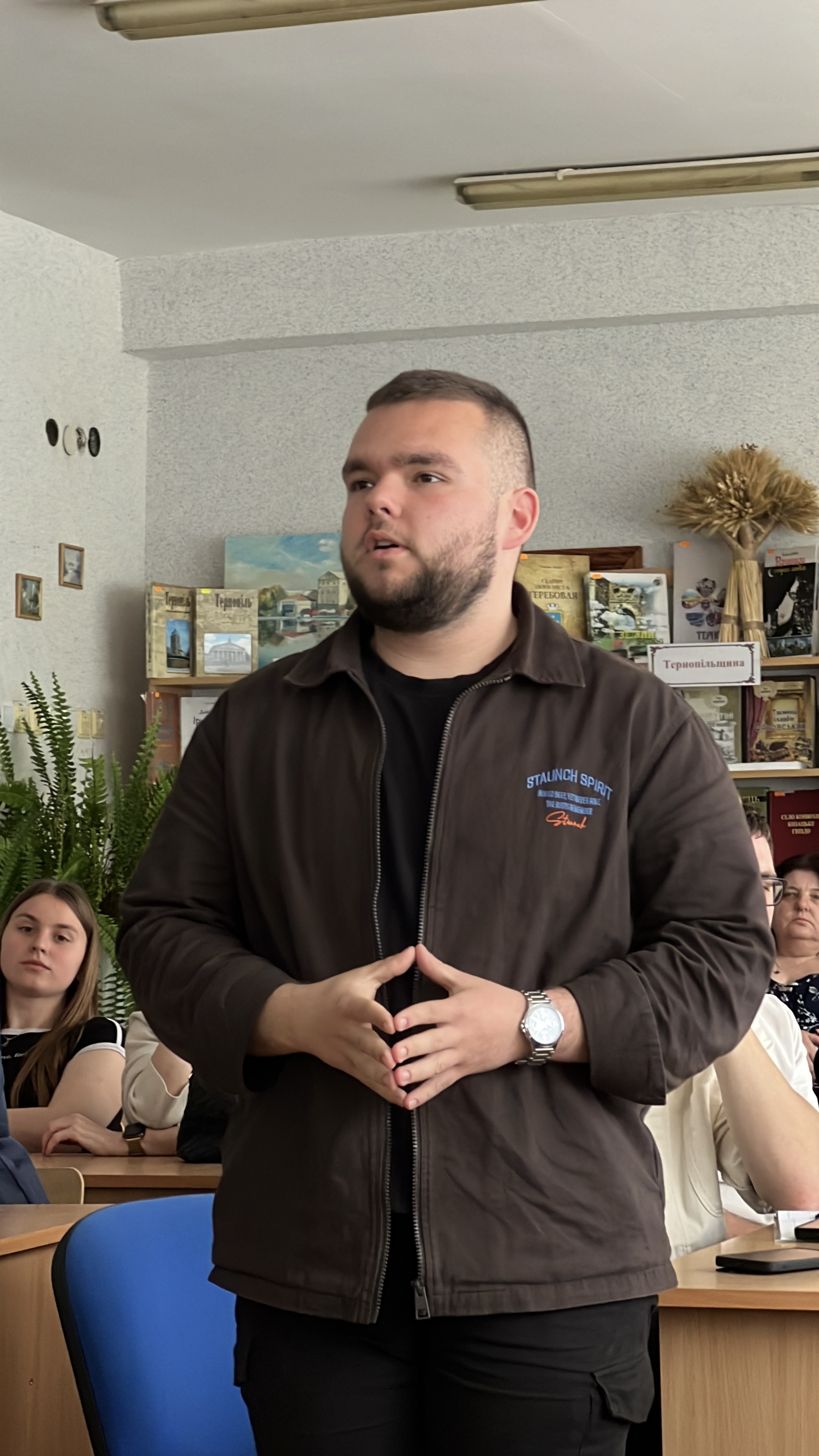
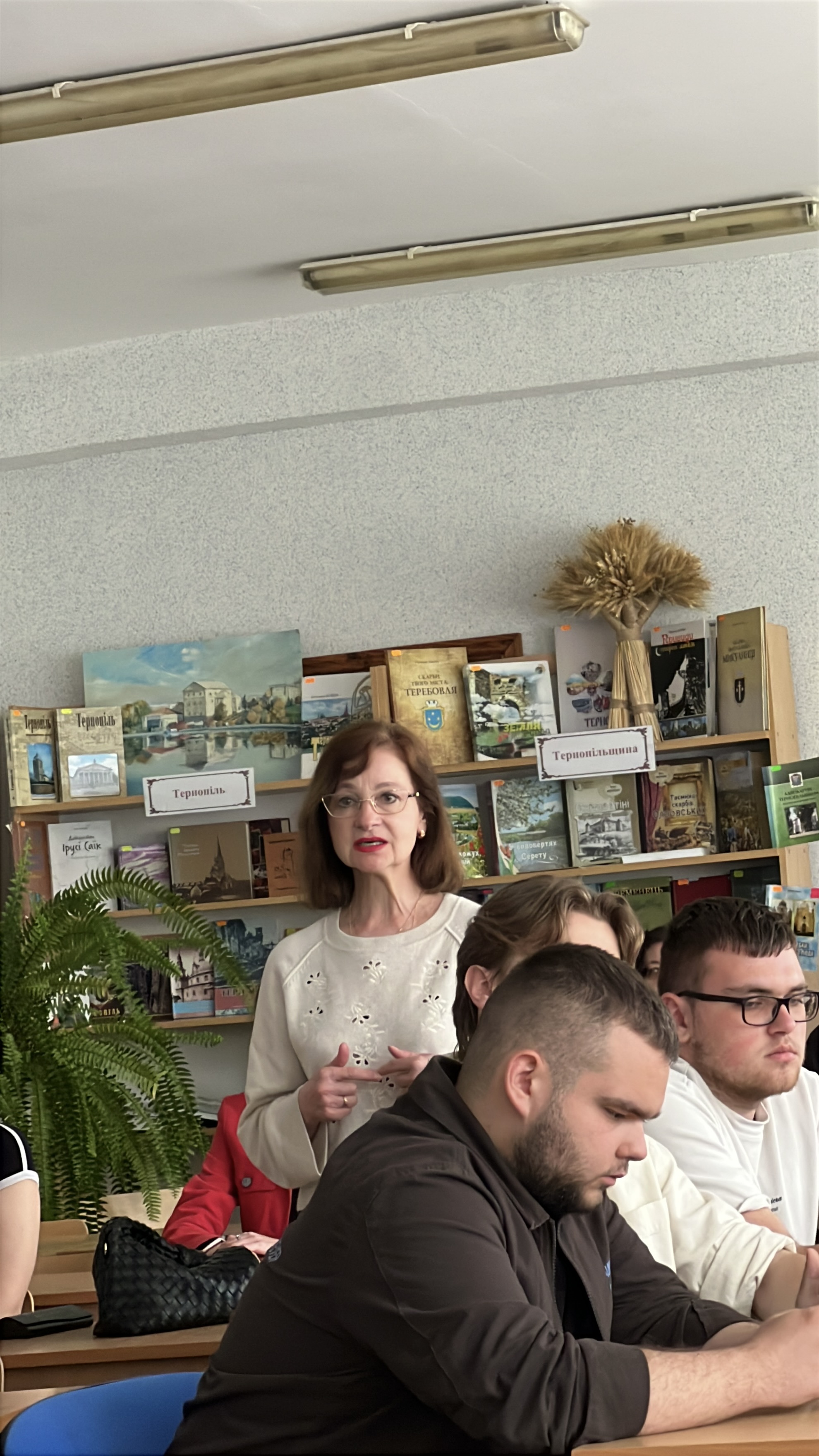
“This event is not just a presentation. It is an opportunity to hear eyewitness testimonies, reflect on the experience of war, talk about human rights, memory, and support for victims,” emphasized the event moderator.
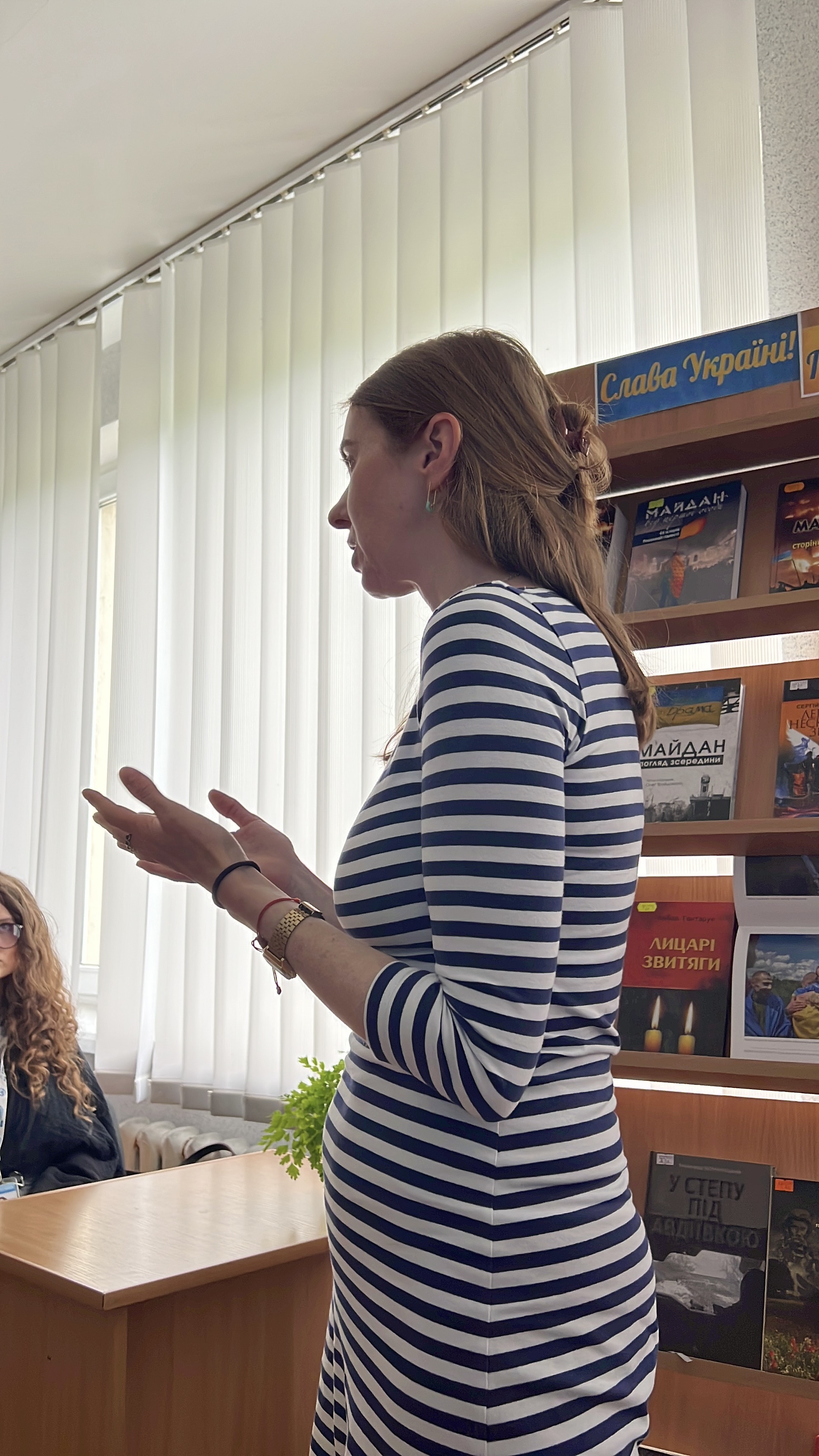
Yulia Chystiakova, co-author of the book and EUCCI legal analyst, Maryna Suprun from Yahidne and Yurii Shapovalov, a pediatric neurophysiologist from Donetsk (both – survivors of captivity), were among the speakers.
According to Yulia Chystiakova, the work on the collection started back in 2021, but the full-scale invasion put the project on hold. Over time, the team realized that the book's subjects became even more relevant.
The book deals with myths about Donbas, the language issue, residents of the occupied territories, and attitudes toward those who remained under occupation.
"Those of us living in the territories, controlled by the Ukrainian Government, quite often think: since those who live there decided to stay, it means it was their choice. However, that choice is not always easy," Yulia Chystiakova noted.
Yurii Shapovalov said that he stayed in Donetsk after 2014 because he didn't want to "liberate the space from Ukraine."
"It seemed to me that it would be wrong for all Ukrainians or pro-Ukrainian citizens to leave the city. If we ourselves vacate that space, it will no longer be Ukraine."
He was detained by the so-called MSS (“Ministry of State Security”) of the DPR (“Donetsk People’s Republic) because of his posts on Twitter about the situation in the occupied city. The man went through the "Isolation" torture chamber, a pre-trial detention center, and a colony. Yurii spent seven years and seven months in captivity.
“I came back with a pair of socks in a plastic bag. That was all I had,” he said during a discussion of life after his release.
Special attention during the meeting was paid to the society reaction to civilian captivity.
A separate discussion was dedicated to journalists’ interactions with people who survived captivity.
Yurii Shapovalov admitted that it’s very difficult to talk about what he experienced.
Maryna Suprun gave examples of unethical behavior by journalists. One of them was when a journalist remarked that her family “should have known” about the danger after 2014.
“I was nine years old in 2014,” Maryna replied.
She also recalled an instance when journalists, instead of helping an injured woman, were just filming her.
At the end, the participants talked about psychological rehabilitation after captivity.
“There are people who returned disabled – not only physically, but also mentally,” Yurii Shapovalov noted.
Maryna Suprun added that many of her fellow villagers refused to receive help from a psychotherapist and, as a result, have been stuck in their pain for years now.
The presentation of “Unclear Clarities” turned out to be more than just a conversation about the book. It was an attempt to record the life of people who survived the occupation and captivity, and at the same time a reminder of the society’s responsibility.
“There’s a still a person behind every sensational story,” Yulia Chystiakova concluded.
This book was prepared as part of the project "Strengthening Civil Society for the Transformation of Memory Culture – Non-Violent Efforts to Counter Russia's War Against Ukraine" by the Eastern Ukrainian Center of Civic Initiatives, NGO “Public Committee for Protection of Citizens’ Constitutional Rights and Freedoms”, NGO “Moloda Prosvita Prykarpattia” (Young Educators of Trans-Carpathia), Crisis Media Center “Siverskyi Donets,” with the support of "KURVE Wustrow - Center for Training and Networking in Nonviolent Action" within the framework of the "Civil Peace Service" program (CPS).
